Home Support: Ensuring Seniors Protected and Independent
Home care functions as an essential support system for seniors, allowing them to live independently and safely in their own homes. By supplying tailored assistance, it manages vital daily activities and health management. This approach not only minimizes risks but also enhances a sense of autonomy and comfort. However, the field of home care is diverse, with various services that can be customized to fit individual needs. What are the specific options available, and how can they make a difference?
Ways Residential Care Maintains Seniors Secure and Self-Sufficient
Home care is a essential part of helping seniors maintain safety and independence within their own homes. By offering personalized support based on individual needs, home care services enable seniors to manage daily tasks with confidence. Trained caregivers assist with key activities such as medication management, meal preparation, and personal hygiene, reducing the chance of accidents and health complications.
Furthermore, home care provides a trusted environment, allowing seniors to thrive in a setting where they feel comfortable. This comfort can mitigate feelings of isolation and enhance mental well-being. Home care professionals also monitor changes in health status, ensuring timely interventions when necessary. The presence of a caregiver can avoid potential hazards, such as falls or unsafe living conditions, further increasing safety. Ultimately, home care allows seniors to live with dignity while getting the support they need to remain in control of their lives.
What are the different types of Home Care Services?
What forms of home care services are available to support seniors in their daily routines? Various options address the varied needs of older adults. Personal care services aid daily tasks such as bathing, grooming, and dressing, ensuring seniors maintain their hygiene and comfort. Home health care focuses on medical needs, furnishing skilled nursing and therapy services to manage chronic conditions or aid recovery from illness.
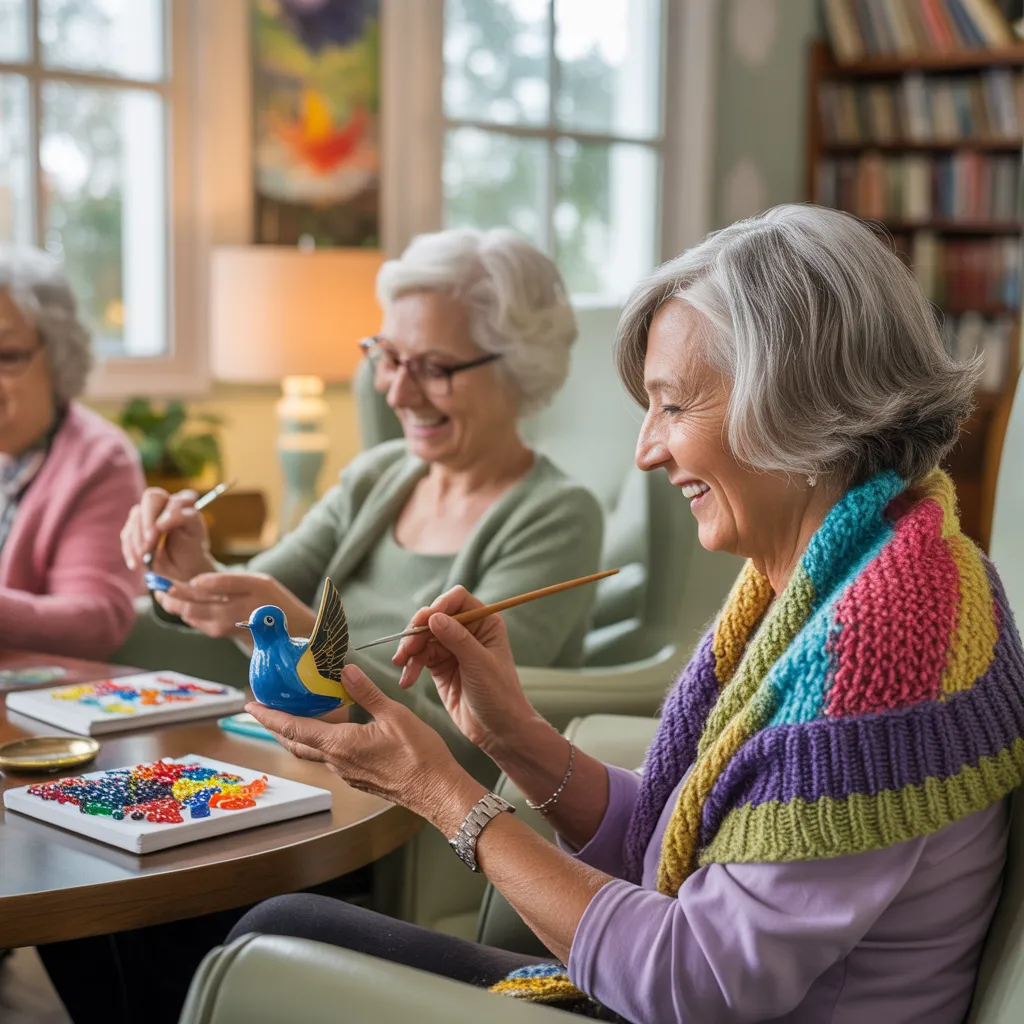
Companionship services offer emotional support and social connections, helping to combat loneliness. Homemaker services also assist with household tasks such as meal preparation, cleaning, and laundry, maintaining a safe living environment. Transportation services enable seniors to attend appointments or social events, fostering their independence. Respite care gives temporary relief for primary caregivers, permitting them to take necessary breaks. In combination, these services create a comprehensive support system aimed at improving the quality of life for seniors while promoting their independence.
Why having companionship is essential in domiciliary care
Companionship serves an important role in the general well-being of seniors receiving home care. Social interaction greatly impacts emotional health, reducing feelings of loneliness and depression. When caregivers offer companionship, they build trust and open communication, enabling seniors to express their needs and concerns more freely.
Moreover, having a comrade can improve mental faculties through meaningful communication and cooperative tasks, which may help stave off cognitive decline. Companionship also encourages seniors to be active and involved in their communities, building a sense of belonging and belonging.
Additionally, mental assistance from a caregiver can raise resilience during challenging times, making it easier for seniors to manage changes in their health or living conditions. Ultimately, nurturing these connections can lead to a more content and improved life for seniors, enabling them to maintain their independence while accessing the necessary care.
Customizing House Care Programs for Personal Requirements
When taking into consideration the varied needs of seniors, adjusting home care plans becomes necessary to provide optimal support and well-being. Each senior's situation is unique, shaped by factors such as health conditions, mobility levels, and personal preferences. Customized plans can target specific medical needs, such as medication management or physical therapy, while also taking into account emotional support and social interaction.
Engaging caregivers who comprehend the individual’s history and interests forms a meaningful connection, elevating the overall care experience. Routine assessments enable adjustments to the care plan, ensuring it adapts along with the senior’s changing needs.
Incorporating relatives' feedback can further improve these plans, creating a collaborative approach that respects the senior's self-respect and independence. By prioritizing customization, home care services can effectively support self-sufficiency, safety, and a better standard of living for seniors, ultimately leading to a more satisfying living experience at home.
Breaking Down the Charges Associated with Home Care Services
Understanding the expenses associated with home care services is crucial for families seeking the best support for their elderly loved ones. Home care charges vary greatly based on the intensity of care needed, geographic location, and the specific offerings rendered. Families should consider the distinction between hourly rates for caregivers and the potential costs of full-time care.
In addition to caretaker salaries, other elements such as transportation fees, medical supplies, and management expenses may also affect overall costs. Coverage by insurance, including Medicare and Medicaid, can affect out-of-pocket costs, so families should review their policies carefully.
Creating a budget for home care demands an all-encompassing understanding of these considerations. Families are encouraged to review multiple care options and engage with professionals to develop a personalized plan that caters to both financial and care needs. This preparation can result in informed decisions that raise the standard of living for seniors.
Frequently Inquired Information
How can I evaluate the quality of a in-home care service provider?
To evaluate a home care provider's standard, one should examine credentials, client reviews, service offerings, staff qualifications, and responsiveness. Additionally, visiting facilities and holding discussions can offer valuable insights into their overall care standards.
Which qualifications should be held by care providers for in-home care?
Caregivers should have relevant certifications, such as CPR and first aid, along with instruction in personal care, medication management, and communication skills. Experience in elder care and a compassionate demeanor further improve their qualifications.
How can I include My family member in care decisions?
Engaging a loved one in care decisions can be achieved by inviting open discussions, actively listening to their preferences, making available options, and assuring they feel valued and respected throughout the decision process, fostering their autonomy.
What Indicators Reveal a Older Adult Needs Home Care?
Signs that a senior needs home care include increased forgetfulness, difficulty with daily activities, unexpected weight loss, frequent falls, social withdrawal, or medical conditions requiring assistance. Observing these changes can indicate a need for additional support.
How can I transfer a elderly person to home care comfortably?
To move a senior to home care smoothly, engage them in discussions, review their needs, create a routine, introduce caregivers, and keep open communication to encourage trust and comfort throughout the complete article adjustment phase.